
Dorset’s rugged coastline holds secrets that stretch back 185 million years. Each winter storm and receding tide reveals new treasures from the Jurassic period, making this UNESCO World Heritage Site one of Britain’s premier fossil hunting destinations. From spiral ammonites to ancient ichthyosaur vertebrae, the beaches of Dorset offer extraordinary discoveries for both beginners and experienced collectors.
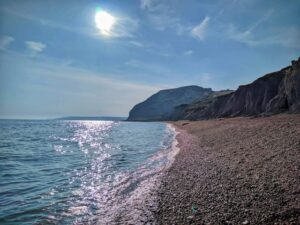 The Jurassic Coast represents one of the richest slices of prehistoric life anywhere in the world. These fossil-rich cliffs contain thousands of specimens of marine reptiles that once swam in ancient seas. The discoveries made along this stretch of coastline, particularly those by renowned palaeontologist Mary Anning, fundamentally changed scientific understanding of prehistoric life in the early 1800s.
This guide will take you to the best fossil hunting locations across Dorset, reveal what treasures you might uncover, and provide essential tips for safe and successful fossil collecting. Pack your bags and prepare for an adventure that connects you directly with Earth’s distant past.
Best Locations for Fossil Hunting in Dorset
Charmouth: A Fossil Hunter’s Paradise
Charmouth stands as one of the most productive fossil hunting beaches in Britain. The village beach, split by the River Char, regularly yields spectacular finds as the rapidly eroding cliffs release their ancient treasures onto the shore.
The Charmouth Heritage Coast Centre, located next to the beach, offers invaluable resources for fossil hunters. This free museum displays incredible fossilised finds and provides guided fossil hunting walks that dramatically increase your chances of success. Expert guides lead these “Journey Through Time” walks, sharing their extensive knowledge about what to look for and where to find it.
Common discoveries at Charmouth include beautifully preserved ammonites, bullet-shaped belemnites, and occasionally rare ichthyosaur vertebrae. The centre also houses “Raffle,” a rare 3D plesiosaur skeleton discovered by a dog walker, highlighting how anyone can make significant finds along this remarkable coastline.
Lyme Regis: Following in Mary Anning’s Footsteps
Known as “The Pearl of Dorset,” Lyme Regis holds special significance in fossil hunting history. This charming coastal town was home to Mary Anning, often called the world’s greatest fossil hunter, who discovered the first correctly identified ichthyosaur skeleton and the first two nearly complete plesiosaur skeletons.
For fossil hunting, focus your efforts on Monmouth Beach and Church Cliff Beach. These locations regularly produce ammonites, belemnites, and various marine fossils. The famous Ammonite Graveyard (Ammonite Pavement) at the end of Monmouth Beach offers an extraordinary sight—massive ammonite fossils still embedded in the rock face, accessible only at low tide.
Lyme Regis Museum, built on the site of Mary Anning’s former home, runs regular fossil walks along the beach. These expert-led expeditions provide fascinating insights into the area’s geological history whilst significantly improving your fossil-finding success rate.
Kimmeridge Bay: Ancient Marine Life Museum
Further east along the coast, Kimmeridge Bay presents a unique fossil hunting experience. This rocky bay showcases fossilised ammonites and belemnites visible in the rock ledges at low tide. Whilst you cannot extract these specimens using hammers, observing these fossils in their natural setting provides incredible insights into ancient marine ecosystems.
The Museum of Jurassic Marine Life (The Etches Collection) at Kimmeridge houses world-class fossils, all collected along the local coastline by renowned collector Dr Steve Etches MBE. If you discover an unusual fossil, the museum staff can help identify your find and provide valuable information about its significance.
Ringstead Bay: Hidden Coastal Gems
Ringstead Bay offers excellent fossil hunting opportunities in a more secluded setting. Giant fossilised oysters are particularly common here, alongside ammonites and various shell fossils. The bay permits hammering of loose rocks, though disturbing the bedrock is prohibited.
This location provides a quieter alternative to the busier beaches whilst still offering abundant fossil finds. The varied geology creates diverse fossil types, making each visit potentially rewarding for collectors of all experience levels.
Weymouth: Additional Opportunities
Weymouth‘s beaches also yield fossil discoveries, though less frequently than the previously mentioned locations. The area offers a good introduction for beginners, with occasional ammonites and marine fossils appearing after storms.
Tips for Successful Fossil Hunting
Perfect Timing: Winter Storms Bring Rewards
Winter provides the richest fossil hunting conditions along the Dorset coast. Storm waves batter the cliffs, dislodging rocks and revealing fossils hidden for millions of years. The period immediately following winter storms often produces the most spectacular finds.
Low tide offers optimal searching conditions. Check tide tables before visiting and always hunt for fossils on outgoing tides. This timing ensures maximum beach exposure and safe return to your starting point before the tide turns.
What to Look For
Ammonites appear as distinctive spiral shells, ranging from tiny specimens to examples over a metre across. Look for the characteristic tightly wound pattern, often weathered out of grey limestone rocks.
Belemnites resemble bullet-shaped or cylindrical fossils. These squid-like creature shells frequently appear as broken fragments, so search for both complete specimens and partial remains.
Ichthyosaur vertebrae look like rough discs with slight indentations on both faces. Individual vertebrae often appear loose on the beach, though complete skeletal sections represent extraordinary discoveries.
Marine shells, sea urchins, and shark teeth also appear regularly. Modern-looking specimens often represent ancient species, demonstrating evolution’s gradual changes over millions of years.
Essential Safety Guidelines
Safety must remain your priority throughout any fossil hunting expedition. Always search for fossils on the beach itself—never climb cliffs or attempt to dig fossils from cliff faces. These unstable cliffs experience regular rock falls and landslides.
Consult tide tables before every trip and maintain awareness of changing conditions. Being cut off by incoming tides represents a serious danger on certain beaches. Stay alert and plan your return route carefully.
When using geological hammers, wear safety goggles to protect your eyes from rock fragments. Hammer only loose rocks and stones—never strike bedrock or living rock faces.
Follow the Fossil Collector’s Code of Conduct: collect only from beach material, avoid over-collecting, and leave discoveries for others to enjoy. Register significant finds at the Charmouth Heritage Coast Centre to contribute valuable scientific data.
Making the Most of Your Dorset Fossil Adventure
Dorset’s Jurassic Coast offers unparalleled opportunities to connect with Earth’s ancient past. Each fossil you discover represents a creature that lived millions of years ago, providing tangible links to prehistoric marine ecosystems.
Whether you uncover your first ammonite or make a significant discovery, fossil hunting along Dorset’s beaches creates lasting memories and deepens appreciation for our planet’s remarkable history. The combination of stunning coastal scenery, fascinating geology, and the thrill of discovery makes Dorset an essential destination for anyone interested in fossils.
Plan your visit during winter months for optimal conditions, but remember that fossils await discovery year-round. Join guided walks for expert insights, visit local museums to expand your knowledge, and always prioritise safety during your adventures.
The ancient seas that once covered this region left behind an incredible legacy. Your fossil hunting expedition in Dorset continues a tradition of discovery that spans centuries, connecting you with the pioneering spirit of Mary Anning and countless other collectors who have walked these same beaches in search of prehistoric treasures.