
Nestled on the south coast of England, Poole stands as one of Dorset’s most captivating destinations. This historic harbour town combines centuries of maritime heritage with modern attractions, making it an ideal spot for visitors seeking both relaxation and adventure. Whether you’re drawn by its famous natural harbour or curious about its rich past, Poole offers something special for every traveller.
Where Exactly is Poole Located?
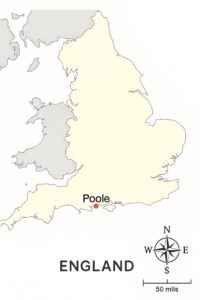 Poole sits in the county of Dorset in southwestern England, strategically positioned on the shores of the English Channel. The town occupies the north shore of Poole Harbour, one of the largest natural harbours in the world, and seamlessly connects with the popular resort town of Bournemouth to the east.
The town benefits from excellent transport links, making it easily accessible from across the UK. Major roads including the M3/M27 from the east and the A35 from the west provide direct routes into Poole. For those travelling by rail, Poole train station offers regular services to London Waterloo, with journey times of approximately two hours.
Poole’s location places it at the heart of Dorset’s stunning coastline, serving as a gateway to the World Heritage Jurassic Coast and within easy reach of the New Forest National Park. This prime position has shaped both its historical development and its current appeal as a tourist destination.
A Rich Maritime Heritage
Poole’s story spans centuries, with its fortunes closely tied to the sea. The town’s strategic position on one of Europe’s largest natural harbours made it a significant port from medieval times. Over the years, Poole developed into an important trading centre, with merchants and seafarers bringing prosperity through commerce with Europe and beyond.
The historic quayside remains the beating heart of Poole, where visitors can still witness the daily activities of a working port. This area tells countless maritime tales, from merchant adventures to seafaring legends. The town’s connection to the sea continues today, though modern Poole has evolved far beyond its trading origins.
Walking through Poole’s Old Town reveals layers of history in its architecture and street layout. The area has preserved much of its historic character whilst embracing contemporary life, creating a unique blend that appeals to history enthusiasts and casual visitors alike.
Top Attractions and Activities
Poole Harbour itself serves as the town’s star attraction. Covering 25 square miles, this expansive tidal inlet provides stunning scenery and numerous recreational opportunities. The harbour hosts a thriving yachting community and offers various water sports activities for adventurous visitors.
The world-famous Sandbanks Beach represents one of Poole’s crown jewels. This Blue Flag award-winning beach boasts soft golden sand and crystal-clear waters, consistently ranking among England’s finest coastal destinations. The beach’s sheltered position makes it perfect for families, whilst its water sports facilities attract enthusiasts from across the country.
Beyond the beaches, Poole offers several notable attractions. Upton Country Park provides 160 acres of parkland, shoreline, and formal gardens, perfect for peaceful walks and wildlife spotting. The historic Poole Quay buzzes with independent shops, restaurants, and cafes, whilst regular events and festivals add vibrancy throughout the year.
Brownsea Island, the largest island within Poole Harbour, deserves special mention. Owned by the National Trust, this 500-acre island serves as an important wildlife sanctuary and can be reached by a scenic 20-minute ferry journey from Poole Quay. The island offers nature trails, wildlife viewing opportunities, and fascinating insights into local ecology.
Economic Importance and Modern Industries
While tourism now plays a major role in Poole’s economy, the town maintains diverse industrial activities. The harbour continues to function as a working port, primarily serving British coastal traffic and providing ferry connections to France and the Channel Islands.
Traditional industries such as pottery remain important to Poole’s identity, with the town’s ceramic heritage dating back centuries. Modern manufacturing has also found a home here, with businesses involved in boat building, chemical production, and engineering contributing to the local economy.
The service sector, including retail, hospitality, and professional services, has expanded significantly to support both the resident population and the millions of visitors who arrive each year. This economic diversity helps ensure Poole’s continued prosperity while maintaining its unique character.
Your Gateway to Dorset’s Wonders
Poole serves as an excellent base for exploring the wider Dorset region. The town’s location provides easy access to the Jurassic Coast, with its dramatic cliffs, fossil-rich beaches, and geological wonders. Popular destinations such as Durdle Door, Lulworth Cove, and Corfe Castle lie within comfortable driving distance.
The thriving food and drink scene showcases the best of local produce, with seafood featuring prominently on many menus. Fresh catches from local waters appear daily in restaurants throughout the town, whilst traditional pubs and modern eateries cater to all tastes and budgets.
Accommodation options range from luxury hotels and boutique guesthouses to family-friendly bed and breakfasts, ensuring visitors can find suitable lodging regardless of their requirements or budget.
Poole represents much more than a simple seaside destination. This historic harbour town combines natural beauty, rich heritage, and modern amenities to create a truly memorable experience. From exploring its maritime past to enjoying world-class beaches, from harbour adventures to countryside excursions, Poole offers the perfect blend of relaxation and discovery on England’s beautiful south